News dated
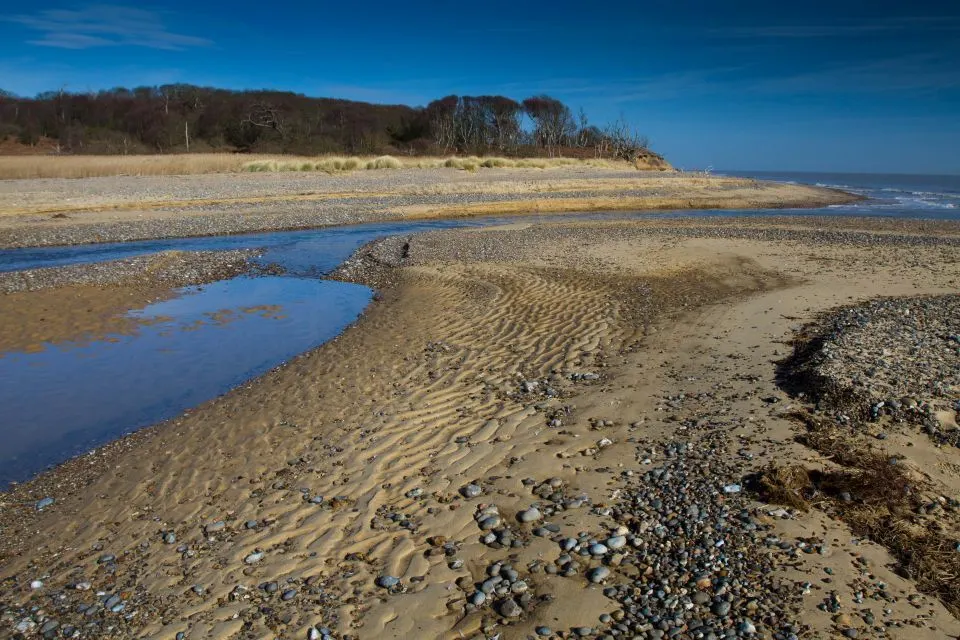
On 7 October, Natural England reported an animal filmed on the beach at Benacre reserve, near Lowestoft. It could be a pine marten, but the release specifies that a similar-looking beech marten is another possibility. The identification therefore remains open, despite the source’s celebratory headline. [1]
The camera trap was installed to monitor predators and disturbance affecting birds. The agency plans to continue these checks to understand interactions within the habitat and help protect ground-nesting species such as little terns and avocets. A single recording does not establish a settled population or rising pine marten numbers in the area. [1]
The bright side
The concrete value is a new observation gathered through reserve monitoring. Keeping the uncertainty about the animal’s identity makes that evidence more useful than immediately turning it into a conservation success. [1]
One idea, in simple words
At a nature reserve in Suffolk, England, an automatic camera filmed an animal. This device is called a camera trap: it records passing wildlife without someone standing beside it all the time. On 7 October, Natural England explained that the animal might be a pine marten. But there is another possibility: a very similar beech marten. For now, we do not know which it is with certainty. [1]
The camera was monitoring predators and disturbances affecting the reserve’s birds. Here is an editorial example: one photograph of a cat cannot tell you how many cats live in a neighbourhood. In the same way, this recording does not prove that pine marten numbers have increased. Continuing to collect observations helps people understand the animals present and protect birds that nest on the ground. [1]
A little discovery to keep
What did you discover?
Straight from the source.
- Pine marten caught on camera in Suffolk nature reserve 'first' Natural England · 7 Oct 2026
Original reporting summaries prepared with AI assistance and accessible sources. Our editorial method.