News dated
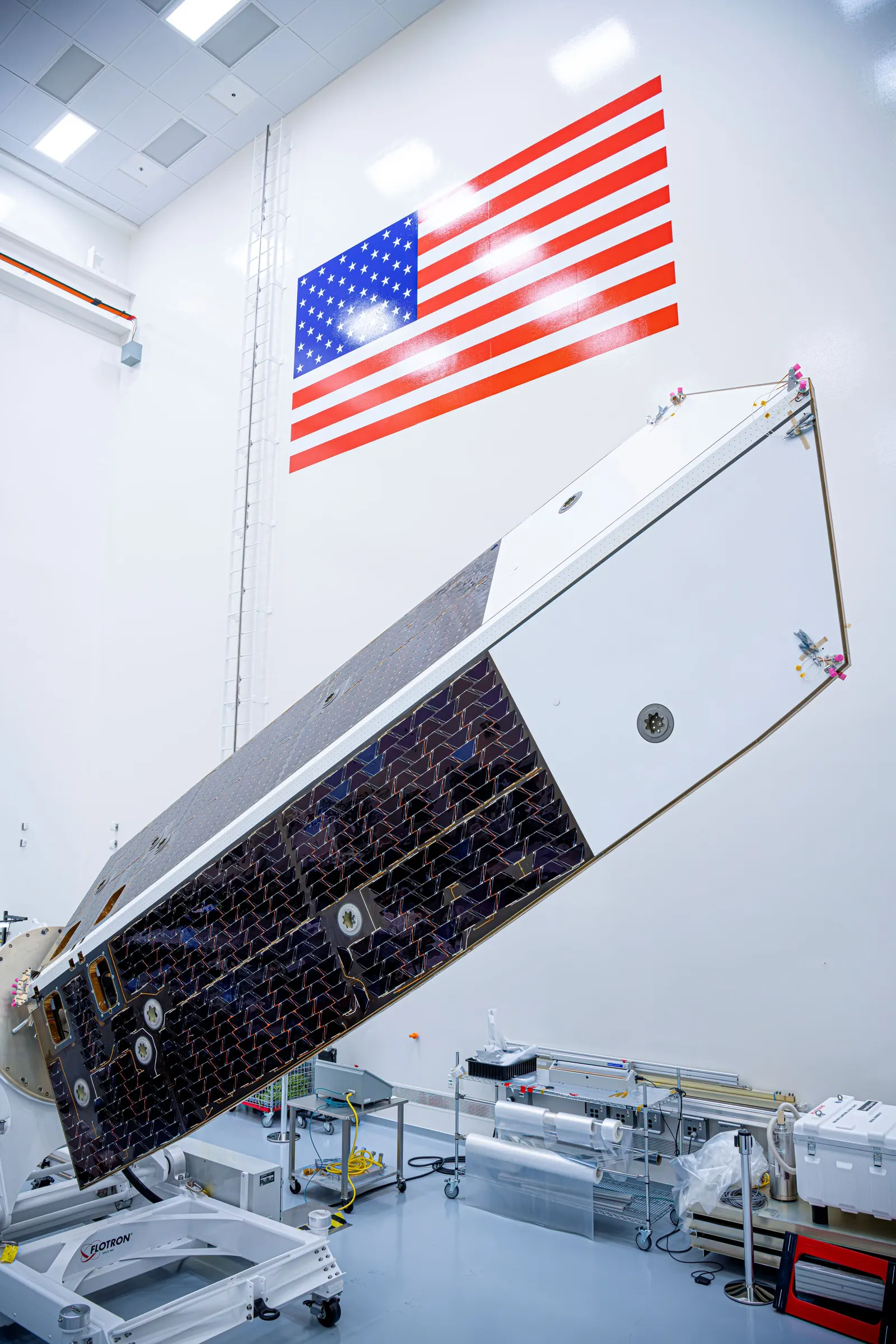
On 9 October, NASA described KREPE-3, an experiment involving twelve small capsules developed with the University of Kentucky and carried by Cygnus XL 24 as it departs the International Space Station. The project uses the vehicle’s planned destructive re-entry to collect measurements that are difficult to obtain in a laboratory. [1]
The capsules are designed to emerge as the cargo vehicle breaks apart. Sensors record conditions including temperature, pressure and motion, while data are transmitted by satellite. The experiment compares materials and shapes for heat protection; it does not certify shields as ready to carry people. [1]
The bright side
Turning an already planned re-entry into a research opportunity can provide evidence for future protective systems. The benefit lies in measurements to analyse, rather than safety already proved. [1]
One idea, in simple words
When a spacecraft returns towards Earth, its protection must withstand very demanding conditions. On 9 October, NASA described an experiment called KREPE-3. Twelve small capsules travel aboard a cargo vehicle, which carries supplies and equipment, leaving the International Space Station. Its destructive re-entry was already planned. The researchers want to gather useful information during that return journey rather than let the opportunity pass. [1]
The capsules should separate as the cargo vehicle breaks apart. Sensors, which are small measuring instruments, record temperature, pressure and motion. Data are sent by satellite. Here is an editorial example: comparing two protective gloves in heat requires measurements, not just a look. This experiment likewise investigates materials and shapes. It does not mean new protective systems are already approved for astronauts. [1]
A little discovery to keep
What did you discover?
Straight from the source.
- NASA Demonstrates Next-Generation Heat Shield Technologies NASA · 9 Oct 2026
Original reporting summaries prepared with AI assistance and accessible sources. Our editorial method.