News dated
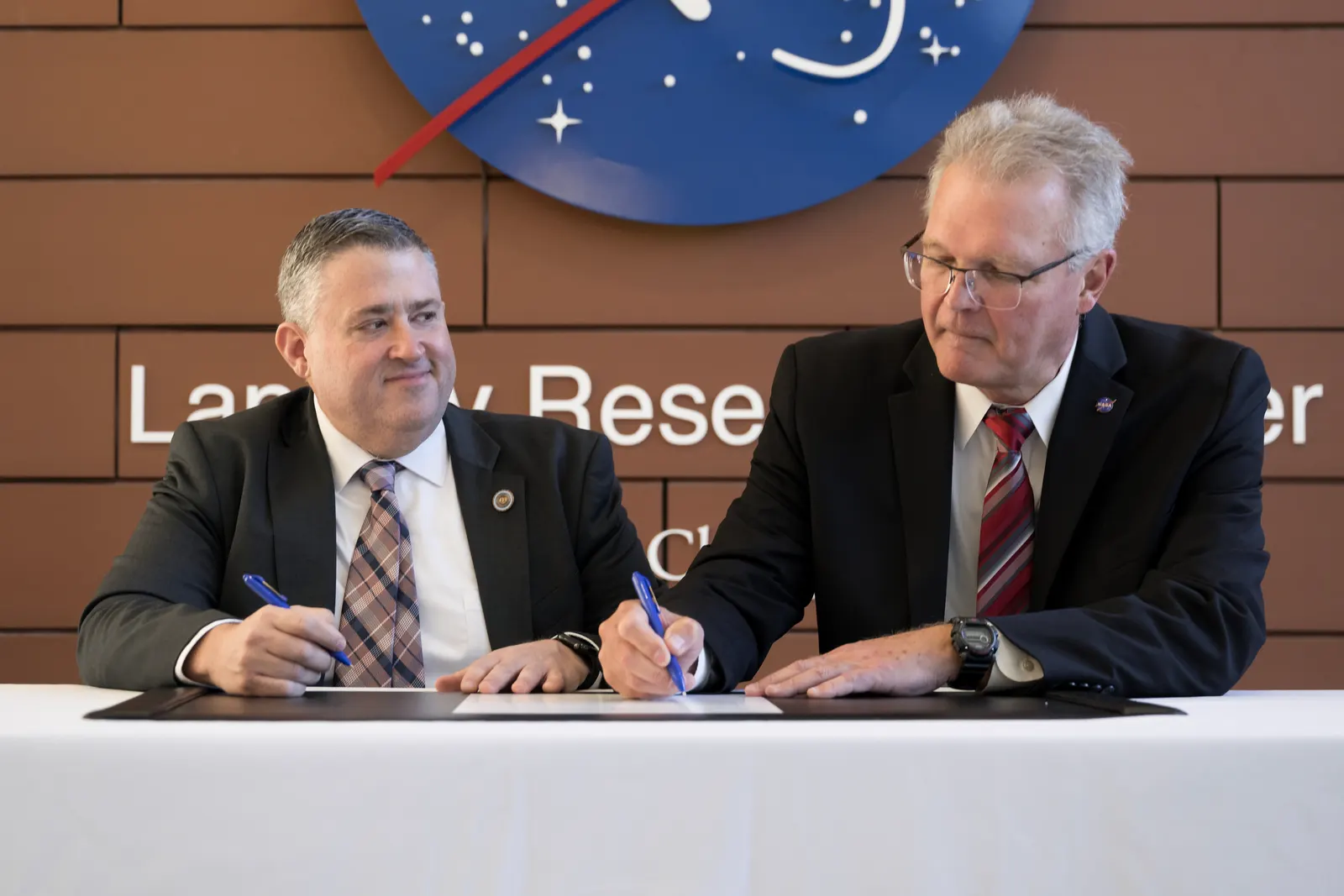
NASA Langley and the Virginia Department of Energy announced a new Space Act Agreement on 23 October. The collaboration will use solar, weather and future weather-risk data to examine energy demand, generation and stress on the system, including during extreme conditions. [1]
Planned work includes incorporating NASA POWER products into energy models, building a digital route for transferring the data and providing formats suited to the state’s tools. Other useful datasets will also be assessed. This is an agreement to improve analysis and planning: the announcement does not demonstrate lower bills, outages prevented or other benefits already measured for customers. [1]
The bright side
Public environmental data can give energy planners better information for comparing weather scenarios and the system’s needs. [1]
One idea, in simple words
On 23 October, NASA Langley and the US state of Virginia announced an energy agreement. They plan to use information about sunlight and weather in their models. A model is a simplified way of representing a system so that people can study it. Here, models help compare how much energy might be needed and produced under different conditions. [1]
Imagine this example: someone organising an outdoor day checks the weather before making plans. Energy planners can also use environmental information to examine different possibilities. The project will connect NASA data with Virginia’s tools. The agreement does not mean that electricity bills have already fallen or that every power cut has disappeared. It describes work to carry out and assess, rather than those results already achieved. [1]
A little discovery to keep
What did you discover?
Straight from the source.
- NASA, Virginia Launch Power Partnership for Energy Security NASA · 23 Oct 2026
Original reporting summaries prepared with AI assistance and accessible sources. Our editorial method.