News dated
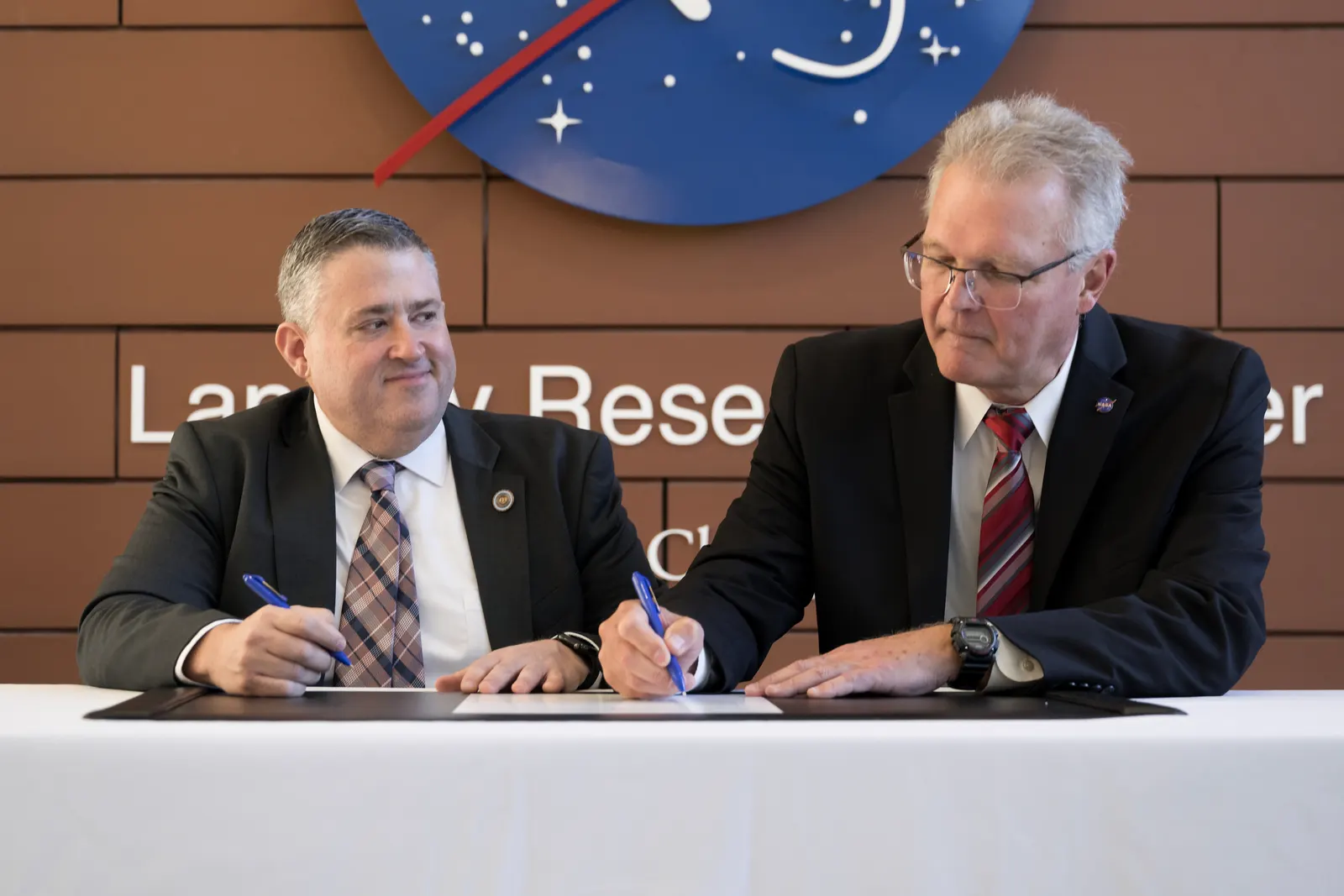
On October 15, NASA announced twelve U.S. institutions selected for a combined $12 million through M-STAR, part of its MUREP programme. Each will receive up to $1 million to develop research, tools and the skills of faculty and students. [1]
Projects cover batteries for extreme environments, cooperation between robots and the behaviour of surface materials at very low temperatures. The verified step is the funding announcement: technologies still need development and evaluation, rather than being ready for a mission. [1]
The bright side
The programme connects education with practical exploration problems, giving institutions resources to build research capacity. [1]
One idea, in simple words
NASA has selected twelve institutions in the United States for a research programme called M-STAR. On October 15, it announced a total of $12 million: each institution can receive up to $1 million. The money will help students and teachers work on research for exploring the Moon, Mars and more distant space. [1]
Some teams will study batteries for extreme conditions; others will work on robots or surface materials. As an example, imagine testing a battery before taking it somewhere very cold. Funding means having resources to carry out those tests. It does not mean the tests have already succeeded. The projects’ tools still need to be developed and checked. [1]
A little discovery to keep
What did you discover?
Straight from the source.
- NASA Awards Enable Research, Technology to Build Future Workforce NASA · 15 Oct 2026
Original reporting summaries prepared with AI assistance and accessible sources. Our editorial method.