News dated
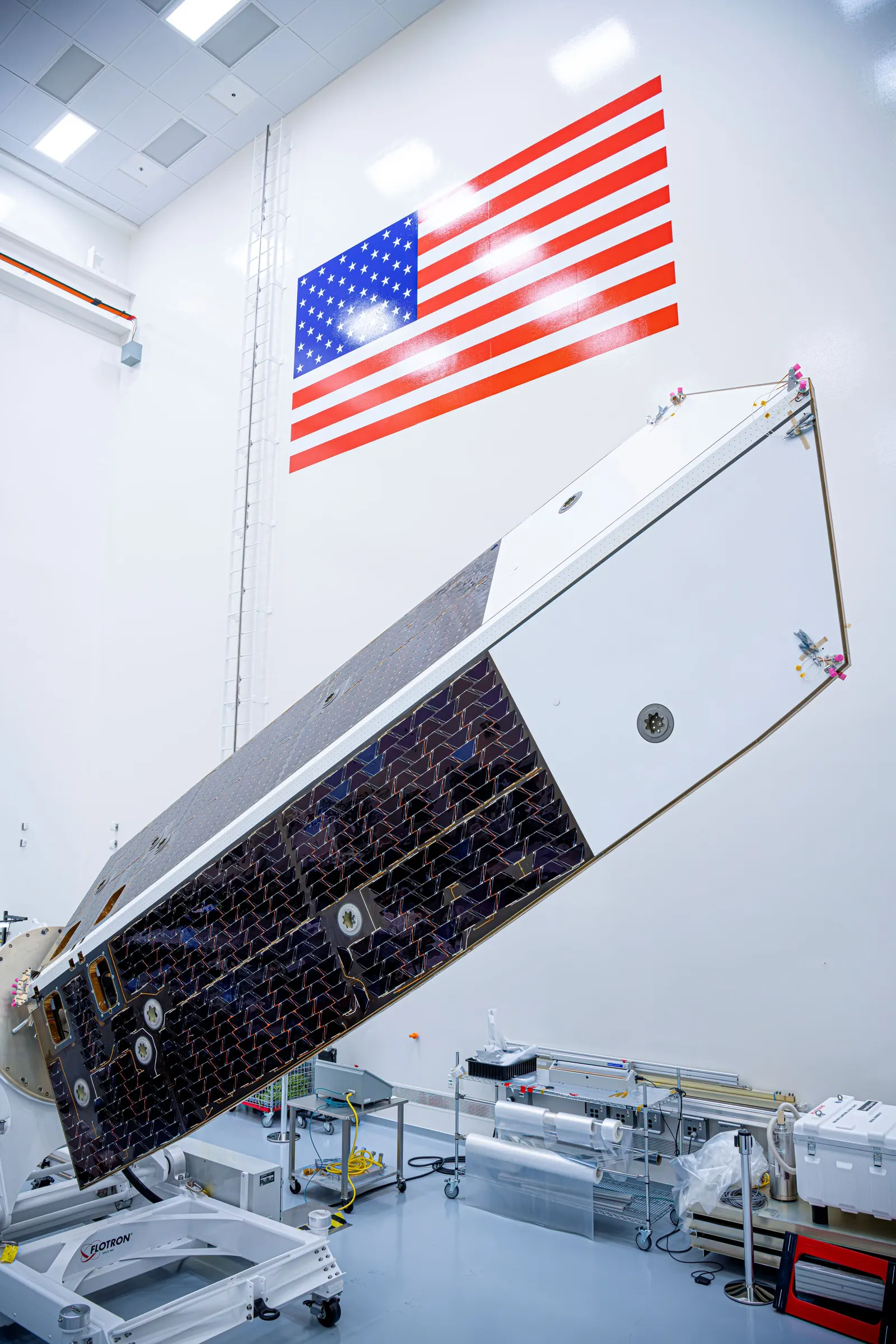
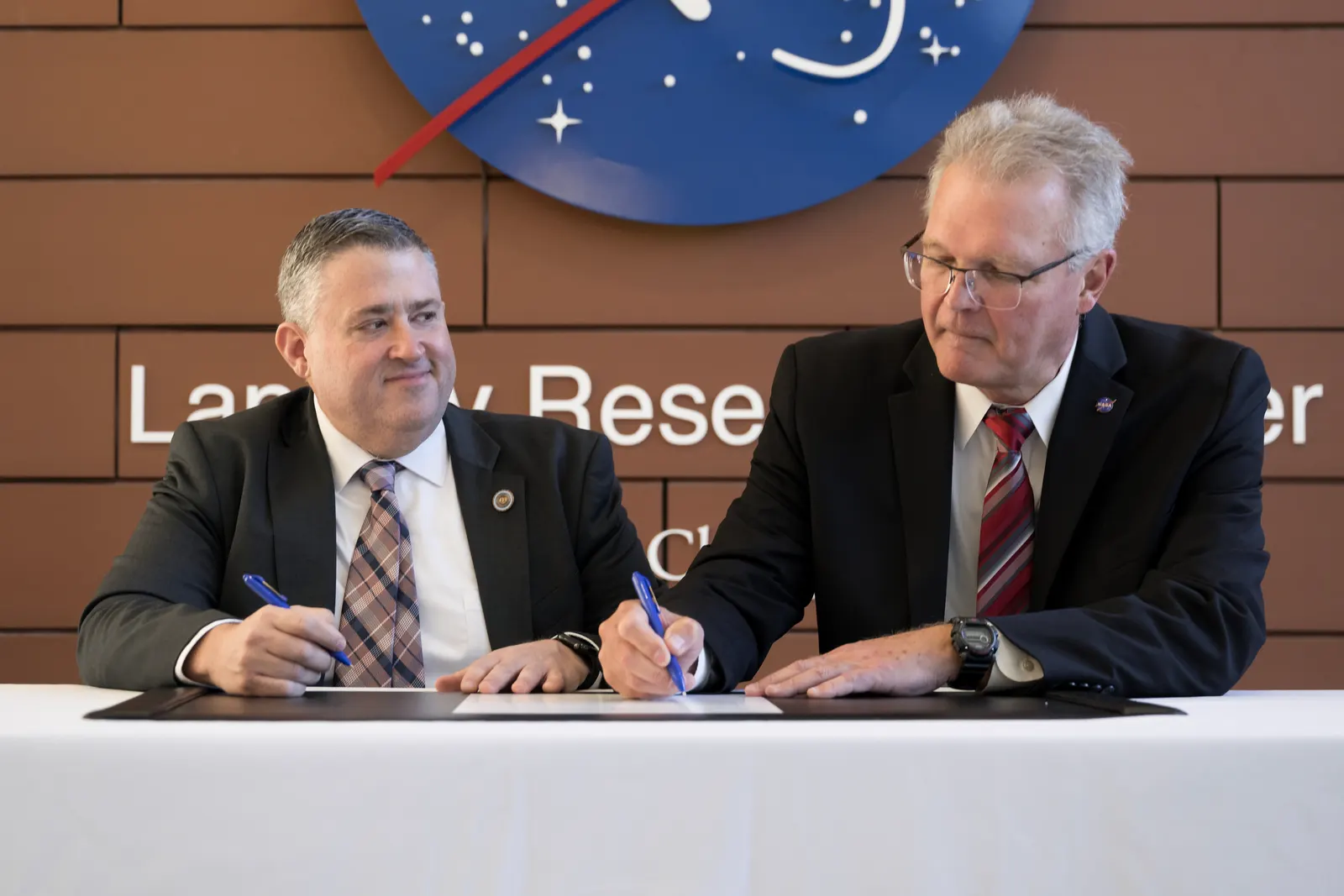
On 8 October, ESA presented an agreement with the International Astronomical Union’s Centre for the Protection of the Dark and Quiet Sky, signed at the International Astronautical Congress. The collaboration addresses two obstacles to observations: sunlight reflected by satellites and their unwanted radio emissions. [1]
The aim is to address these effects during design, through less reflective surfaces, radio-quiet electronics and models of how satellites will appear in the sky. This is a commitment to developing technical solutions, not an announcement that interference has already been eliminated. [1]
The bright side
Bringing satellite builders and sky observers together makes the issue part of design decisions. The collaboration offers a process that can be assessed, with results still to be measured. [1]
One idea, in simple words
Satellites are human-made objects that travel around Earth. They can reflect sunlight and produce unwanted radio signals, making some astronomical observations harder. ESA and a centre of the International Astronomical Union have agreed to work together to reduce these effects. The agreement was presented on 8 October and focuses on practical technical solutions. [1]
Experts want to consider the problem while designing satellites, for example by studying less reflective surfaces and equipment with lower unwanted radio emissions. This does not mean every disturbance has disappeared. Editorial example: if we build a lamp near someone watching the stars, it helps to think first about where the light will go. The collaboration seeks solutions early, before problems become harder to correct. [1]
A little discovery to keep
What did you discover?
Straight from the source.
- Keeping the sky dark and quiet ESA · 8 Oct 2026
Original reporting summaries prepared with AI assistance and accessible sources. Our editorial method.