News dated
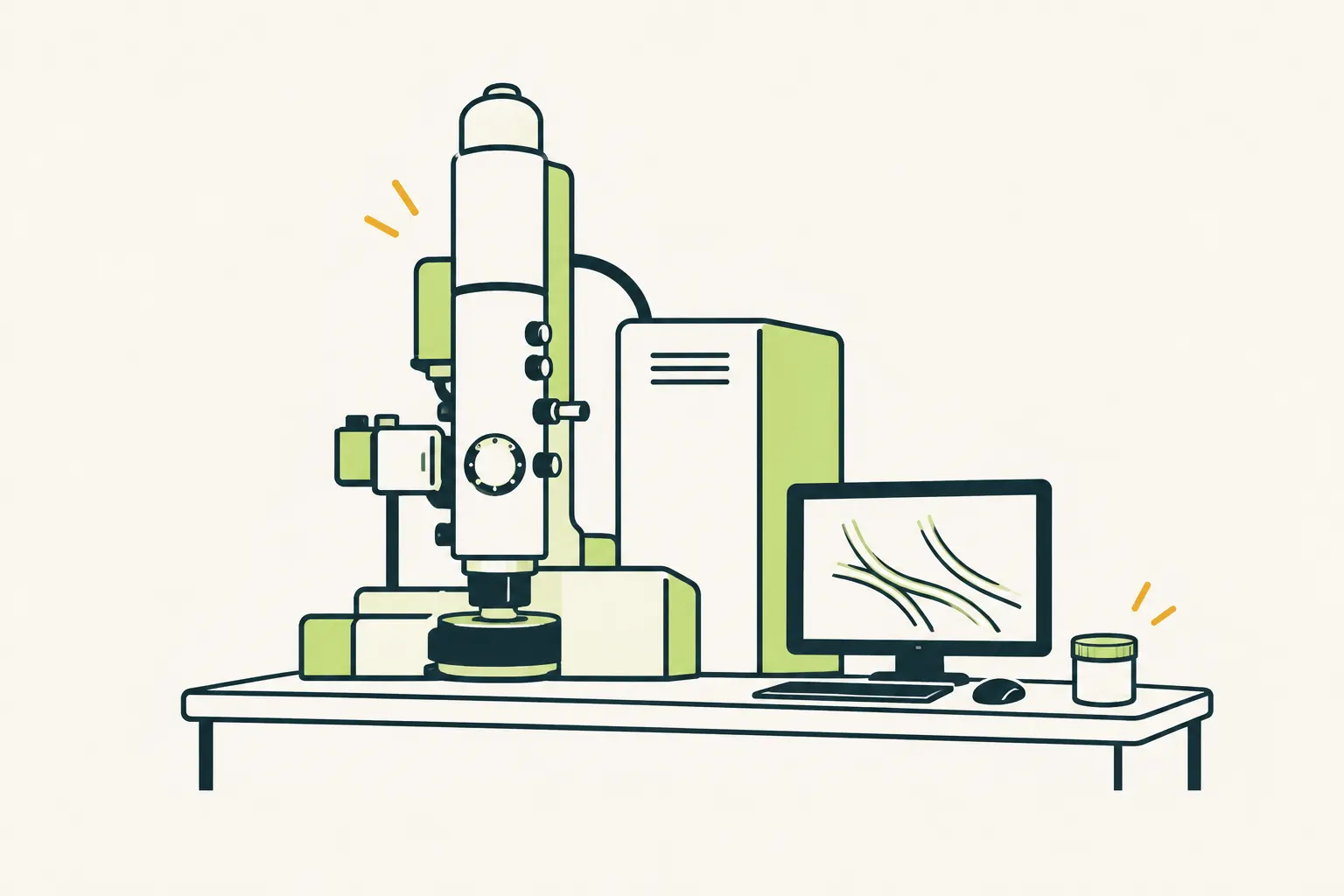
On October 16, UNDP announced the opening of Ukraine’s first national laboratory equipped with transmission electron microscopy to identify asbestos. Japan provided financial support and Ukraine’s Ministry of Health cooperated on the project. The technique examines the shape, structure and composition of individual fibres, including those difficult to distinguish using an optical microscope. [1]
The tests will inform decisions about demolition, sorting, transport, disposal and possible recycling of debris. This is a new tool for managing reconstruction materials, not evidence that the rubble is already safe or that contamination has been removed. [1]
The bright side
More precise testing can inform debris management and protection for people working on reconstruction. [1]
One idea, in simple words
Ukraine has opened a laboratory that can look for asbestos fibres in materials. Asbestos can be dangerous to health, and some of its fibres are too small to identify easily with an ordinary microscope. The new facility uses a transmission electron microscope, an instrument that can study very small details. Japan helped fund the project, carried out with UNDP and Ukraine’s Ministry of Health. [1]
Why does this matter? After demolition, specialists need to decide how to handle the different pieces of a building. As an example, imagine two fragments that look alike: looking at them is not enough to know whether they contain the same materials. Testing can help specialists decide how to manage them. Opening the laboratory does not mean that all the debris has already been made safe. [1]
A little discovery to keep
What did you discover?
Straight from the source.
- Japan and UNDP open Ukraine’s first national laboratory for asbestos detection UNDP Ukraine · 16 Oct 2026
Original reporting summaries prepared with AI assistance and accessible sources. Our editorial method.