01Food
Latest discovery ·
Black and white pepper: two journeys for the same fruit
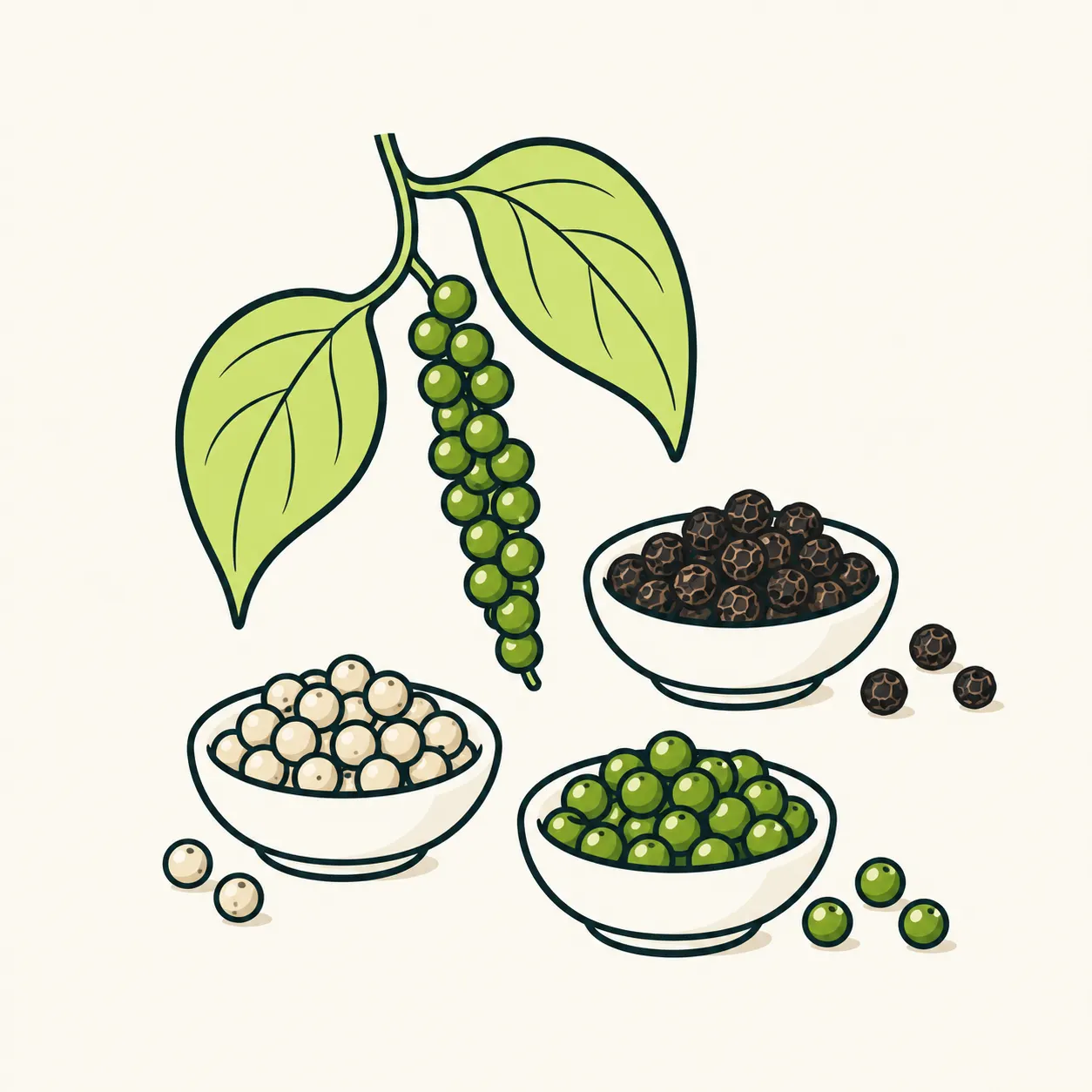
Black and white pepper need not come from different plants: ripeness and processing change the appearance of Piper nigrum fruit.
Read the full storyIngredients, rituals and discoveries at the table. Curiosity can start with a single bite.
32 results
Newest firstLatest discovery ·
Black and white pepper need not come from different plants: ripeness and processing change the appearance of Piper nigrum fruit.
Read the full story
Saffron threads are a precise part of a flower: following their journey reveals the work behind a very small quantity.
Read the full story
Two names on a spice shelf can hide one botanical origin: nutmeg and mace come from different parts of the same fruit.
Read the full story
A peanut shell holds seeds, but its plant adds a surprise: fruit develops underground after flowers have opened in the air.
Read the full story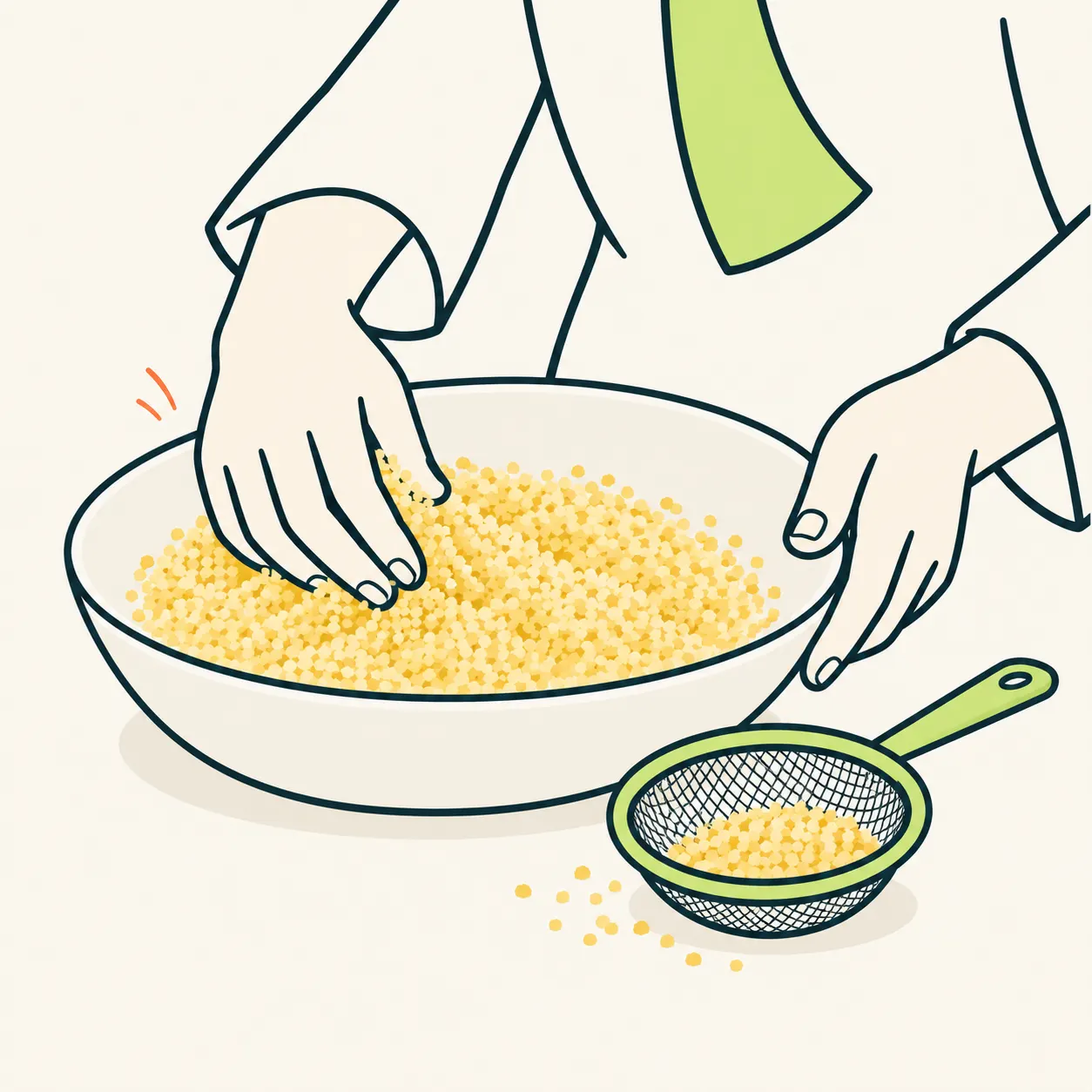
They resemble tiny seeds, but semolina couscous is formed through processing: water, movement and sorting turn small particles into grains.
Read the full story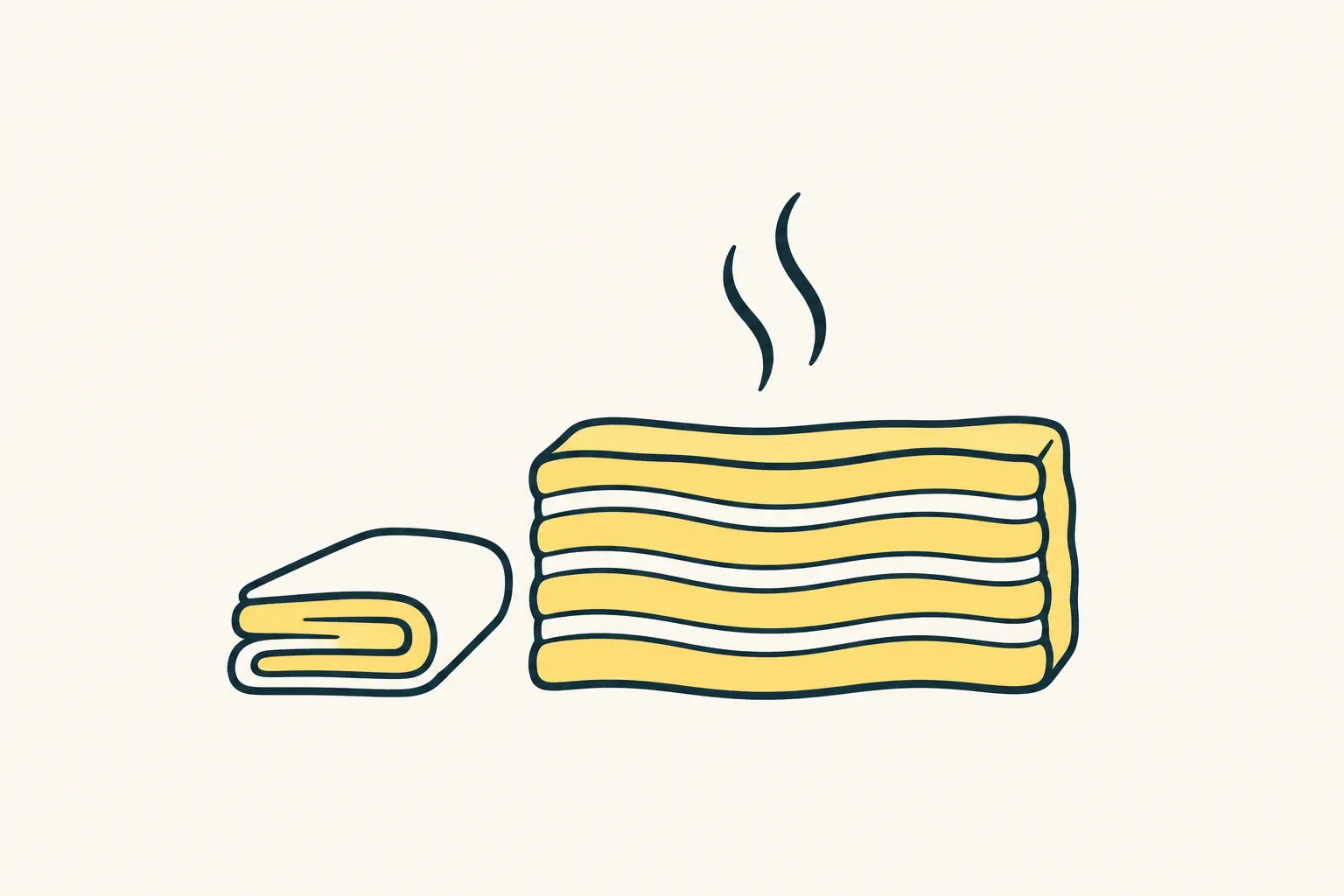
Classic puff pastry rises without yeast: separated layers and water becoming steam turn a low sheet of dough into volume.
Read the full story
An egg white becoming firm reveals a change in its proteins: heat builds a structure, rather than simply drying everything out.
Read the full story
Before the white ball comes a mass that is worked and stretched: stretching and portioning describe different stages of the process.
Read the full story
Small and green, they look like fruits: capers are buds picked before flowering, distinct from the fruits of the plant.
Read the full story
Capsaicin in chilli peppers activates a receptor that also responds to heat: a familiar sensation opens a question about perception.
Read the full story
Fresh pineapple can stop a dessert from setting: bromelain acts on proteins, and the ingredient’s processing history makes a difference.
Read the full story
Both come from Camellia sinensis. Transformations guided during processing help create the different results.
Read the full story
The Maillard reaction helps explain the colour and aroma of toast. Its name is singular, but the chemistry involves a family of changes.
Read the full story
Pectin helps fruit become spreadable: the key is a molecular network, with different partners depending on the kind of pectin.
Read the full story
Dissolving sugar and turning it into caramel are different changes: understanding the colour also means considering which substances are present.
Read the full story
A cucumber can turn sour through fermentation or added vinegar: a similar taste does not always reveal the same process.
Read the full story
Bacteria produce the gas, while tiny cavities help collect it: two different roles explain the eyes in the cheese.
Read the full story
Heat and water change starch granules: the texture of cooked pasta reveals a transformation happening inside the food itself.
Read the full story
Baking powder contains ingredients that react to produce gas: understanding how it differs from baking soda helps us read a recipe.
Read the full story
As cream becomes butter, fat joins together and water changes position: a transformation to explore without a secret ingredient.
Read the full story
Cabbage pigments can look different as acidity changes: a kitchen discovery to observe without confusing a colour clue with an exact measurement.
Read the full story
From green to yellow and from starch to sugars: ripening involves several changes, not just a different colour on the peel.
Read the full story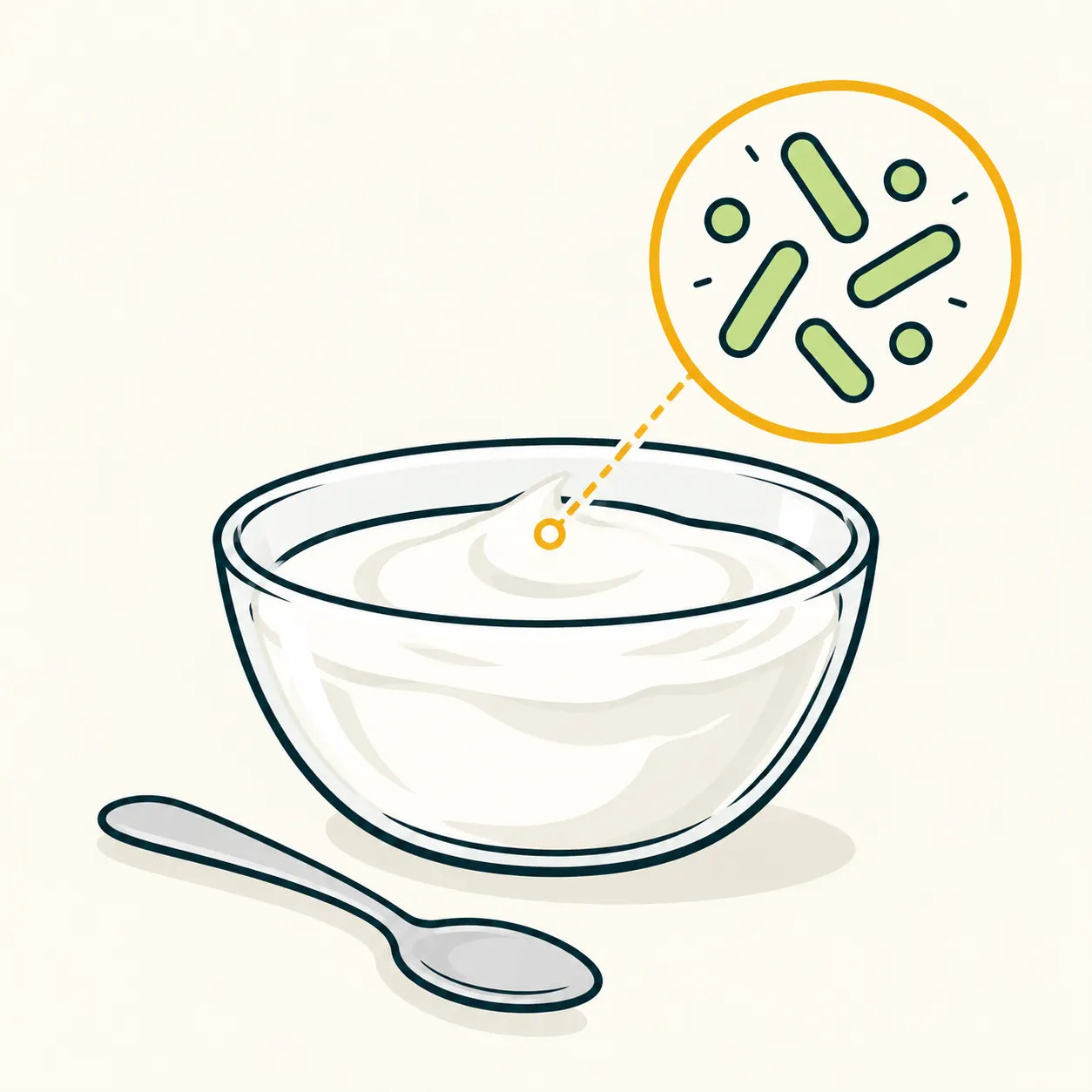
Fermentation changes some of the milk’s sugar and alters how its proteins behave, producing a noticeably different texture in the process.
Read the full story
A whisk does not make extra egg white: it adds bubbles and changes how proteins arrange themselves around the air.
Read the full story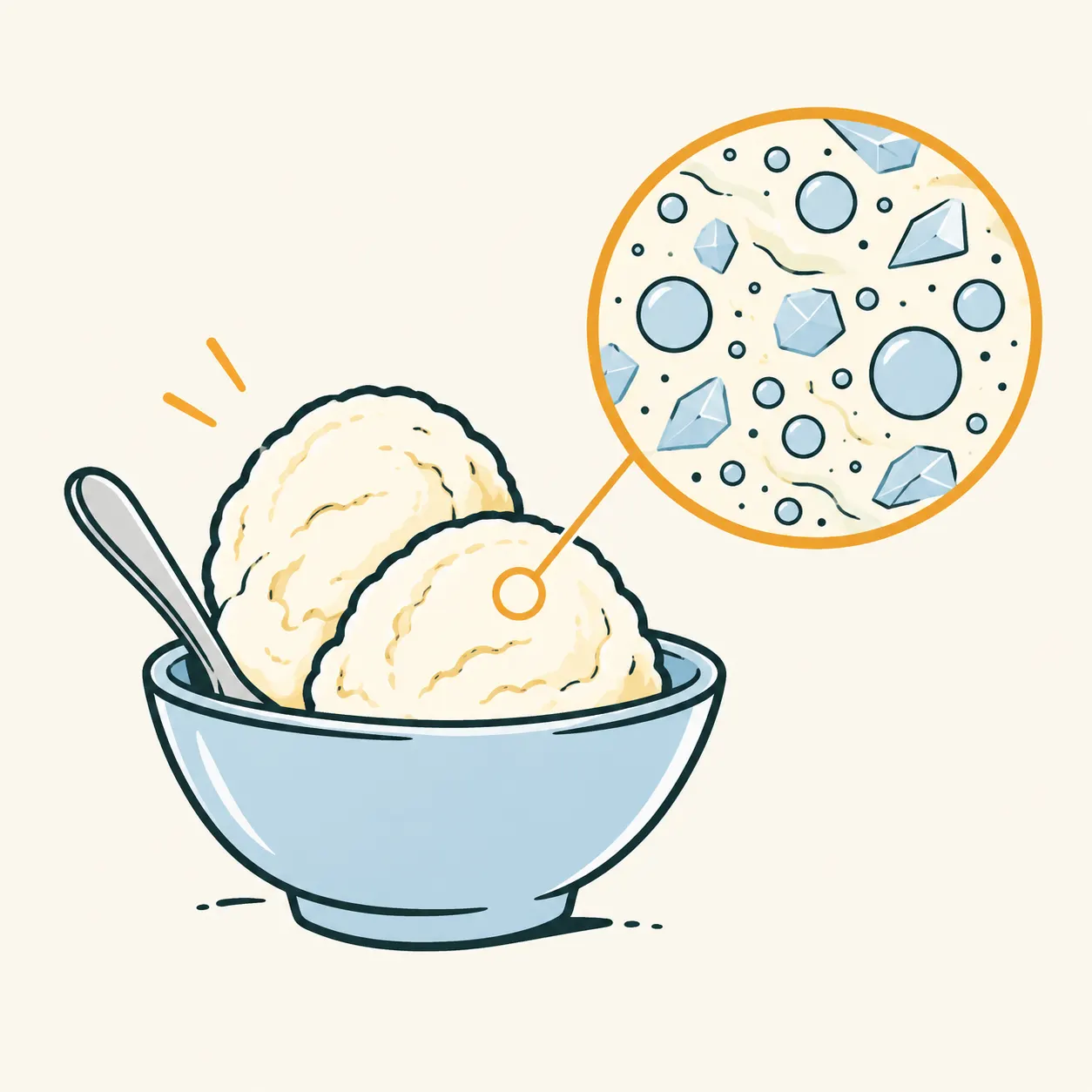
Part of ice cream’s texture depends on tiny bubbles. Understanding a scoop means looking beyond the name of its flavour.
Read the full story
A jar can thicken without being spoiled. Crystallisation lets us observe an everyday physical change through a familiar kitchen ingredient.
Read the full story
After cutting, a reaction helped by enzymes changes the flesh’s colour. Lemon juice can slow it down without stopping time.
Read the full story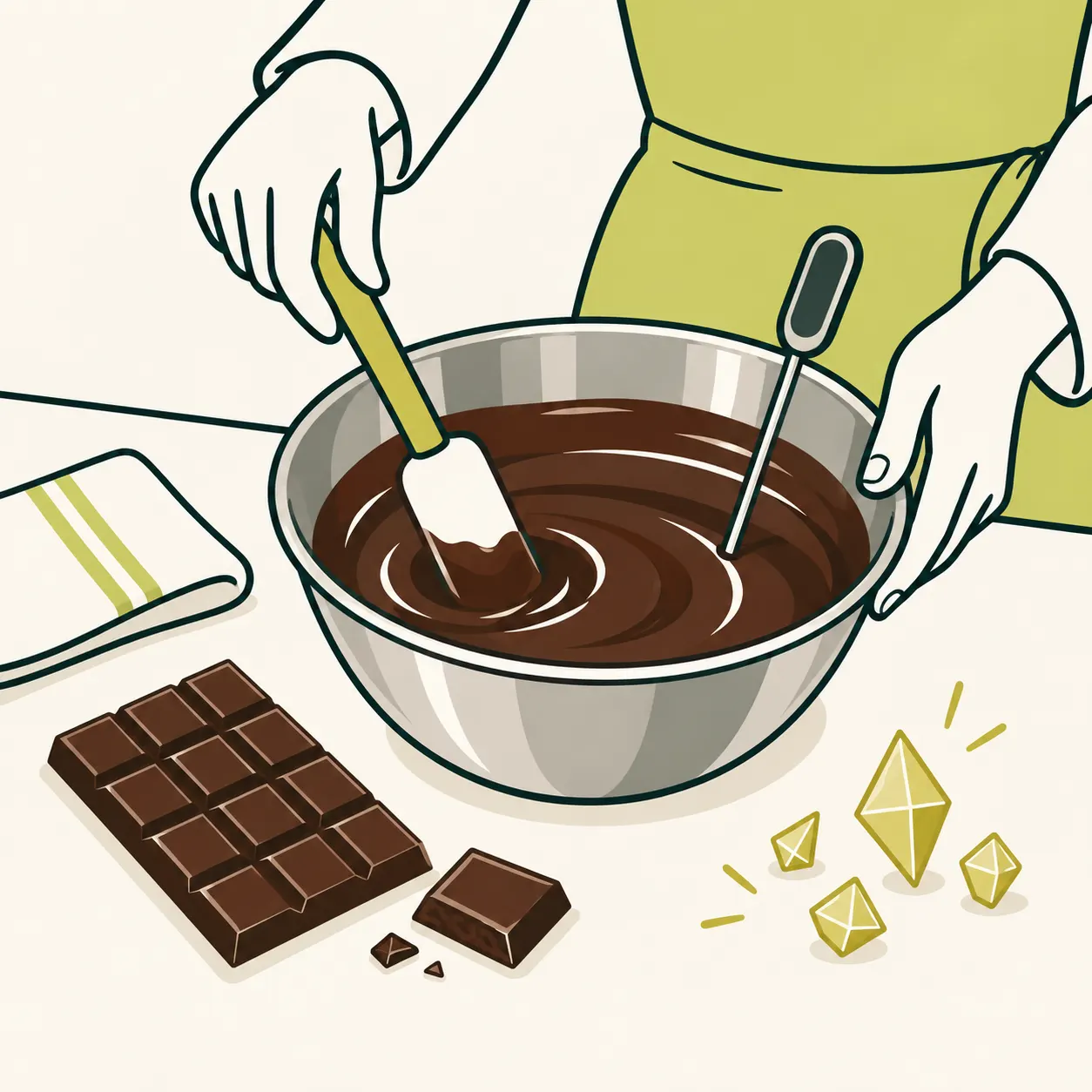
Tempering guides crystal formation in cocoa butter: melting chocolate and simply letting it cool do not always produce the same result.
Read the full story
Between the chopping board and our eyes lies a small chain of events: learn to separate what we see from what causes it.
Read the full story
Looking, drawing and asking questions: a familiar sauce provides a starting point for exploring what we mean when we mix things.
Read the full story
Water, starch and a strong outer hull explain the pop. A spectacular transformation begins with what is already inside a tiny kernel.
Read the full story
A microorganism and an elastic structure work together inside rising dough. Producing gas is only one part of the story.
Read the full storyIllustrated reads with verifiable sources. Original illustrations made with AI assistance.