01Words

Latest discovery ·
Disastro: the star still inside an Italian word
The Italian word disastro contains astro, but a word’s history does not show that the sky causes our misfortunes.
Read the full storyWhere do Italian words come from? Etymologies, meanings and small journeys through language.
43 results
Newest firstLatest discovery ·
The Italian word disastro contains astro, but a word’s history does not show that the sky causes our misfortunes.
Read the full story
The Italian word scrupolo connects an uneasy doubt with careful attention; its documented history begins with a tiny stone.
Read the full story
The Italian word paesaggio connects a territory with its view and representation; comparison with French helps us follow its linguistic history.
Read the full story
From a Greek verb meaning to delimit to possibilities of thought, the Italian word orizzonte moves between landscapes and perspectives.
Read the full story
The Italian word merenda has a Latin link to deserving; its present meaning names a small meal, without adding moral conditions.
Read the full story
The Italian word pagina comes from Latin and preserves a surprising shift: from a vine trellis to a column of writing.
Read the full story
The Italian word for a device that helps us look closely preserves a seed’s memory through a resemblance in shape.
Read the full story
The Italian word carries an ancient dedication to the Muses, without requiring us to imagine museums as places where everything stands still.
Read the full story
From a mosaic piece to a card in a wallet, the Italian word tessera connects small objects with very different functions.
Read the full story
The Italian name joins Greek elements in a modern construction: it describes a function without containing the device’s entire history.
Read the full story
From a Latin family linked to care to the wish to learn and intrusive questions: context changes the meaning of curiosità.
Read the full story
The Italian word orchestra preserves the memory of a theatrical space and a Greek verb connected with dancing.
Read the full story
From a place for wrestling to exercises of the mind, the same Italian word connects a physical setting with experiences that test us.
Read the full story
From Latin fascicŭlus to a file of papers: the history of fascicolo reveals an idea of gathering things together.
Read the full story
The name of the Italian notebook recalls sheets gathered in groups: folding paper makes its history easier to understand.
Read the full story
An object we associate with rain preserves a linguistic history connected with shade. Follow the steps without inventing an inventor.
Read the full story
The Italian word preserves a Roman garment. Its origin explains the name, without guaranteeing the qualities of the person wearing it.
Read the full story
Treccani traces the Italian verb to sidus, “star”. Its present use asks us to examine things, rather than consult a horoscope.
Read the full story
The Italian word lucido comes from Latin lucidus: dictionaries distinguish shining surfaces, clear thinking and materials used for making drawings.
Read the full story
The Italian word bazar comes from Persian bāzār, meaning market. Its figurative use is worth recognising without confusing it with its origin.
Read the full story
The little notebook carries a history linking Arabic and medieval Latin: its documented origin does not describe just one kind of note.
Read the full story
The Italian name preserves the idea of cooking twice, but a word’s history does not dictate every recipe made today.
Read the full story
The Italian term comes from Japanese and joins folding with paper: one name describes both a technique and the objects it produces.
Read the full story
From Greek to Italian, criterio connects judgement with a rule: stating that rule helps explain how we reach a choice.
Read the full story
The Italian word retains a Greek religious root, yet today it can describe the everyday excitement of starting something.
Read the full story
The Italian word nostalgia brings together roots linked to return and pain; its use can reach across places and times.
Read the full story
The Italian word leads through Latin and friendship books: photographs enter later in the story of its meaning.
Read the full story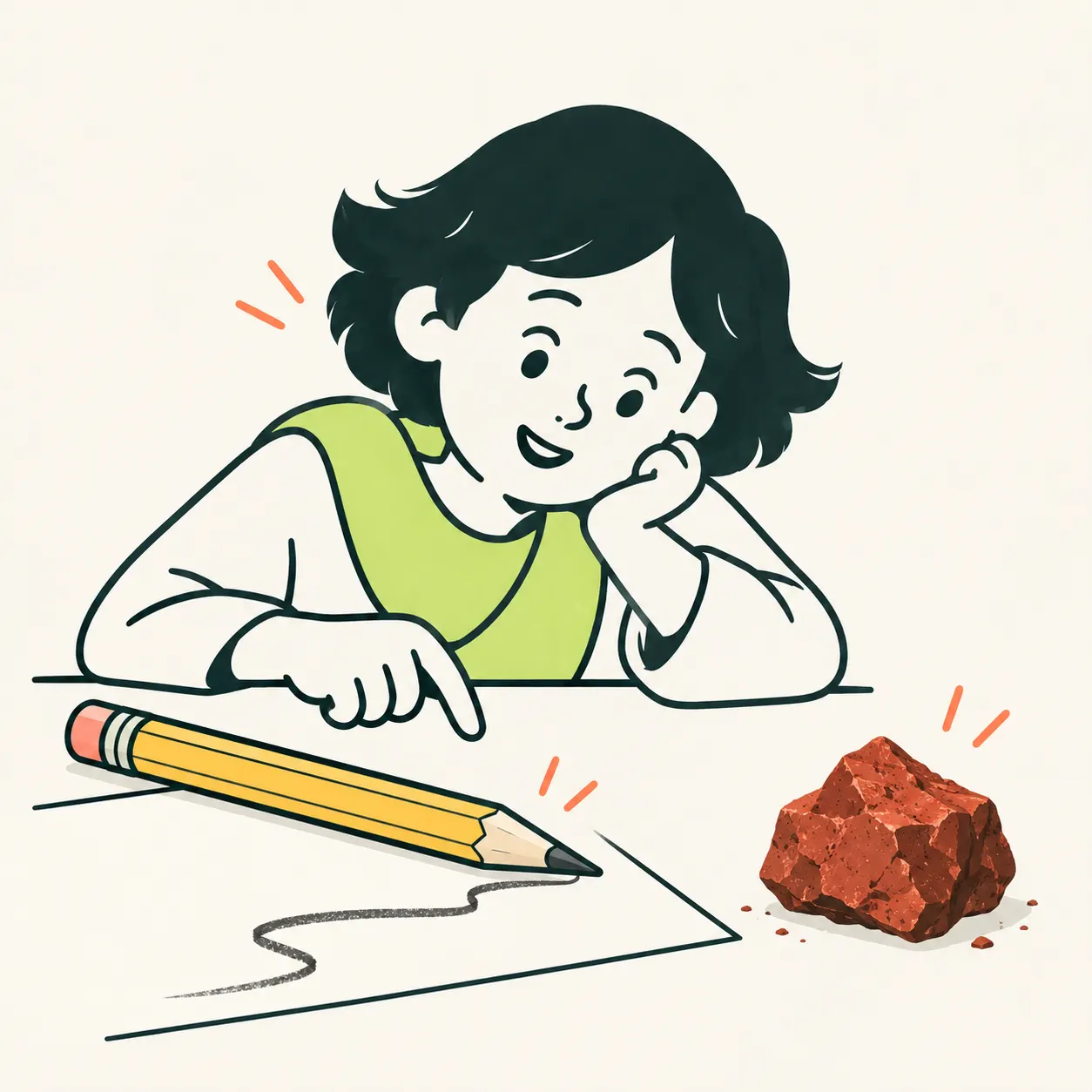
The Italian word matita preserves a link to hematite. Its history is a different question from what a modern pencil contains.
Read the full story
An Italian word for a body part preserves a surprising Latin image: a dictionary helps us separate metaphor from anatomy.
Read the full story
This Italian word preserves a trace of Roman bookkeeping, linking appointments, the first of the month and ways of organising time.
Read the full story
The Italian word reached us from Greek through Latin: its origin connects a collection with its container and its place.
Read the full story
The Italian word pazienza comes through Latin. Today it can describe care in a task as well as calm waiting.
Read the full story
Its Latin origin is documented. Telling the story well means separating the word’s history from the poetic images it suggests.
Read the full story
The Italian word has a theatrical story and a root connected with labour. Its name predates many of the robots we recognise.
Read the full story
From Latin fenestra to everyday Italian: one word can describe an opening, its fittings and an imaginative point of view.
Read the full story
An object, its name and a figurative expression: follow three clues without confusing a word’s origin with an invention’s history.
Read the full story
A documented origin and several sentences to explore: discover how the meaning of the Italian word gioco changes in our stories.
Read the full story
The Italian word cultura traces back to Latin cultivation. Its history connects personal learning and shared life without making them identical.
Read the full story
The Italian greeting carries a history of Venetian deference, but knowing where it came from does not fix its meaning today.
Read the full story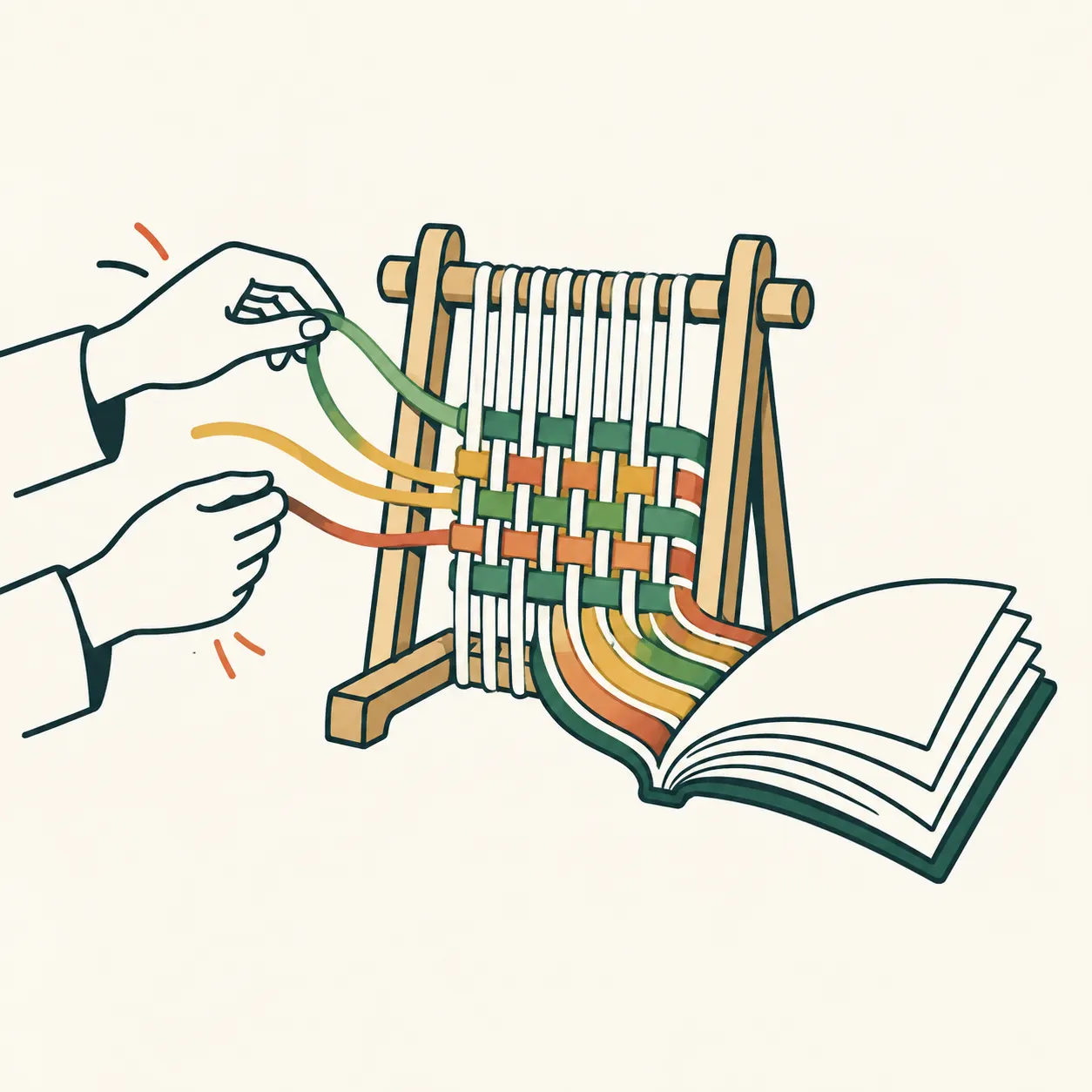
From Latin weaving to everyday Italian, a documented word family offers a starting point for a small writing exercise.
Read the full story
The Italian word scuola reached us from Greek through Latin: its history connects free time with study and teaching.
Read the full story
The Italian word for someone beside us carries shared bread in its history: a documented origin, without an invented founding legend.
Read the full story
From the things that amaze us to our reaction: one Italian word holds both sides of a surprising encounter.
Read the full storyIllustrated reads with verifiable sources. Original illustrations made with AI assistance.